Behind the Scenes: The Art and Science of Wire Wound Resistor Design
Behind the Scenes: The Art and Science of Wire Wound Resistor Design ====================================================================
Within the intricate world of electronic elements, the wire wound resistor define themselves as advanced devices. Crafting the wire wound resistor demands precise craftsmanship and scientific understanding, integrating engineering prowess with quality assurance.
Understanding Manufacturing Techniques
Manufacturing wire wound resistors initiates through strategic material selection. Conductive filaments, generally of Nichrome or Cupronickel, are meticulously coiled around a central base, frequently ceramic thanks to its insulating capacity.
Wrapping the metallic strand is a detailed process. It utilizes machinery calibrated for accurate tension, ensuring consistent layers without uneven winding. Throughout the winding journey, automation systems increasingly play a role, advancing the precision of the manufacture.
Quality Control and Assurance
After the initial construction, wire wound resistors undergo rigorous testing. Evaluations ensure the resistive integrity, verifying design specifications. Temperature tests, challenging the component under various heat levels, reveal the component's resilience.
Given that wire wound resistors are often used in high-power applications, safety testing is paramount. Short-circuit evaluations flag potential threats. Detecting deviations from specification results in immediate rectifications, preserving the components' integrity.
Navigating the Design Labyrinth
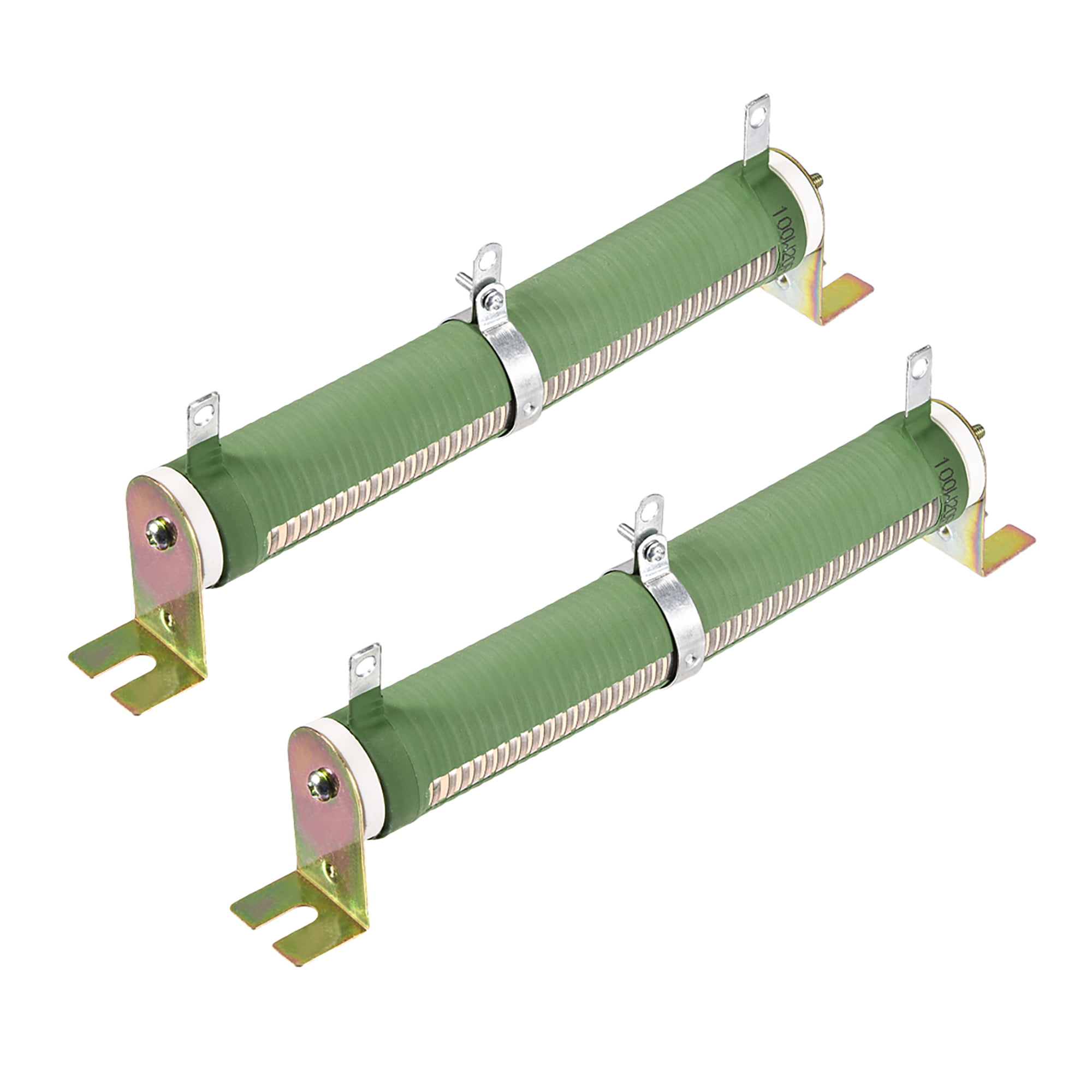
When formulating wire wound resistor designs, developers address specific concerns. Navigating through inductive responses features prominently among the design issues. As wires coil, base-level inductance is inherent, requiring extra planning in rapid response environments.
Physical limitations in miniaturized technologies require innovative formulating. Shrinking components effectively while preserving performance levels is an art in balancing. Algorithmic aids offer foresight, optimizing component layout, thereby pioneering design evolutions.
Adapting to Technological Changes
Pinpointing today's rapid technological shifts, the wire wound resistors cannot stagnate. Keeping pace with IoT, the demands for interoperability reach new peaks, challenging existing paradigms. Adaptive resistance designs are developed to connect with smart networks.
Proactive upkeep plans pair with digital evolution, similar to AI monitoring systems aid in optimizing for resistor operations. The increasing digital landscape, platforms utilizing blockchain offer decentralization avenues, tracking production across networks securely.
Looking Ahead: Future Wire Wound Resistor Potential
Prospects awaiting wire wound resistors continues to excite. Revolutionary materials research points to newer composites, optimizing thermal management with meticulous balance. Innovative manufacturing approaches delve into bespoke resistive structures, dotting specificity with user needs, completing unparalleled usability.
Focusing on cross-industry insights offers inspired innovations, as sectors converge, while interstitial ideations magnify benefit potential. Click here to learn more maps new horizons, ensuring the next-level resistive solutions thrive, powering future solutions for decades untold.